Moving From To: Recycling and Sustainability Policy
 Moving From To (also presented as MovingFromTo and moving-from-to) is committed to reducing waste and increasing reuse across every relocation. Our approach combines clear targets, local transfer station partnerships, charity collaborations and a low-emission fleet to shrink the carbon footprint of every move. This page explains our recycling percentage target, how we work with boroughs and transfer stations, and the practical steps we take to keep furniture and household items in use.
We have set an ambitious recycling and reuse percentage target: to achieve an 80% diversion from landfill through recycling, refurbishment and donation by the end of 2028. That target covers materials collected during moves, items recovered at transfer stations, and goods redirected to partner reuse organizations. Our measurement will include weight-based reporting, items reused, and estimated carbon savings from avoided new production.
 Our sustainability work is aligned with local borough approaches to waste separation: many councils now operate separate streams for food waste, glass, mixed recyclables and garden waste, while bulky items follow a different route. We actively sort at source and provide clear labeling during a move, encouraging customers to segregate into the common borough categories: food/organic, dry recyclables (paper, cans, plastics), glass, and bulky/large items for reuse or specialist recycling. This reduces contamination and helps us meet our recycling rate goals.
Local Transfer Stations and Material Recovery
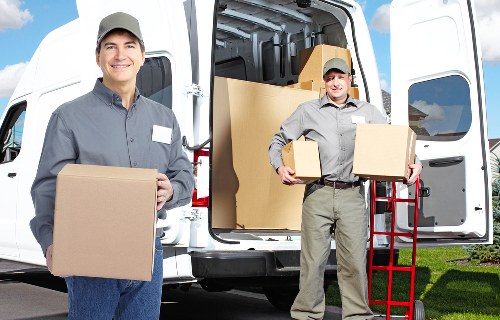 We operate with a network of trusted local transfer stations and materials recovery facilities to ensure items are processed responsibly. Typical sites in our network include:
- Central Materials Recovery Centre for mixed recyclables
- Northside Transfer Station for bulky waste consolidation
- Riverside Transfer Station for timber, metal and hard-to-recycle items
At each transfer station we separate materials for the best environmental outcome. Metals and appliances are routed to specialist processors; textiles and furniture are assessed for repair and donation; wood is chipped for biomass or reused where suitable. By prioritizing reuse before recycling we retain more embedded carbon and extend the life of household goods.
To assist borough waste systems we follow established separation practices: customers are asked to keep food waste in dedicated caddies, place glass and tins with mixed recycling, and set aside bulky items for our collections. These small steps at the point of moving have a large collective impact on contamination rates and recycling performance.
Charity Partnerships and Item Reuse
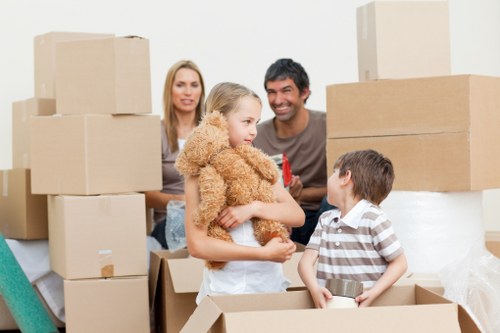 We maintain long-term partnerships with reputable charities, social enterprises and community reuse centers to create circular outcomes for furniture and household goods. Partnered organizations receive items for resale, refurbishment and community support programs, including shelters, family services and low-income housing projects. By working closely with these charities we track items redirected to social benefit and provide a second life for quality goods.
Our charity collaborations include coordinated collections, pre-move item checks, and bulk donations scheduled directly from transfer stations. We also support smaller community reuse projects that accept specific items like books, small appliances and textiles. This networked approach reduces waste management costs and supports local social value objectives.
Low-carbon vans are a core part of our operational change. Moving From To invests in a mixed fleet of electric vans, plug-in hybrids and increasingly efficient diesel-hybrid vehicles for longer routes. We use route optimization software to minimize mileage and employ cargo bikes for short urban transfers where appropriate. These measures reduce tailpipe emissions and noise in dense boroughs, contributing to cleaner local air and lower operational emissions.
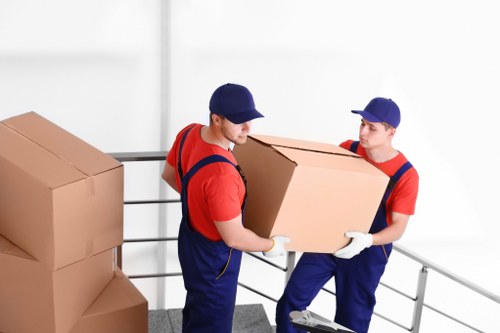 To monitor progress we publish an annual sustainability summary that reviews our recycling percentage, tonnages diverted, charity donations and fleet emissions. We use a combination of weight-based tracking, digital logs at transfer stations and partner donation records to validate performance against our 80% diversion ambition. Continuous improvement cycles drive changes in operations, training and customer communication.
Practical tips we implement during every move include clear labeling of boxes for recycling streams, pre-move item audits to identify reusable goods, and on-the-day segregation so items reach the correct transfer station stream. Our teams are trained to advise on borough-specific separation rules and to ensure that what can be reused is not sent for disposal.
Moving From To believes that sustainability is local, measurable and collaborative. By combining bold recycling targets, strong transfer-station networks, charity partnerships and a low-carbon fleet, we turn relocations into an opportunity for environmental and social benefit. If your move involves items that could be reused, our team will help redirect them to a new life, keeping resources in circulation and supporting local communities.